
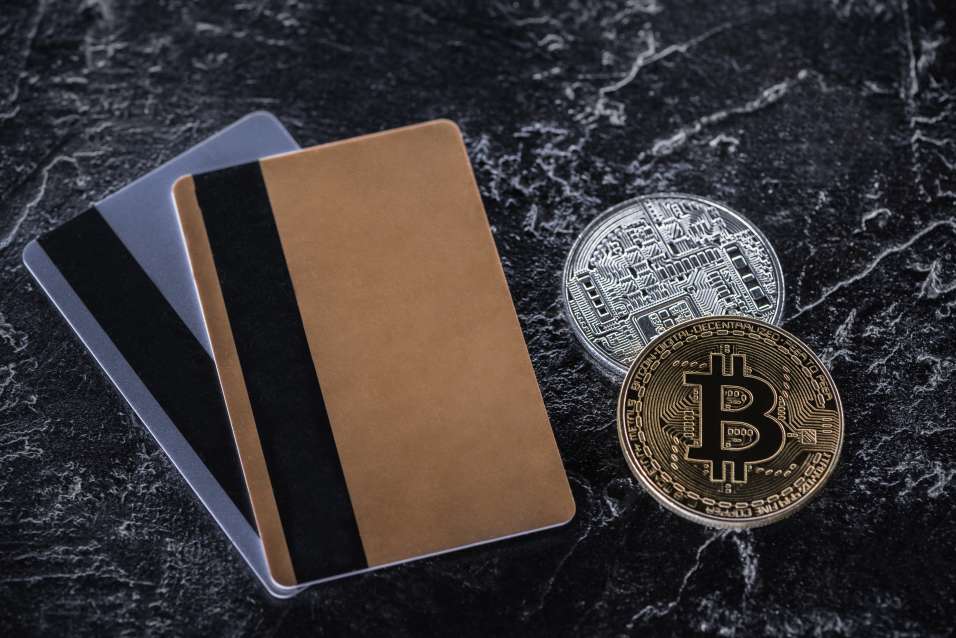
As the popularity of cryptocurrencies continues to rise, understanding the difference between a cryptocurrency exchange and a cryptocurrency wallet is crucial for both beginners and experienced users. While both crypto exchanges and wallets play essential roles in managing digital assets, they serve different purposes. In short, an exchange is a marketplace where you buy, sell and trade crypto, while a wallet stores the private keys that give you access to your assets.
Choosing the right platform for your needs depends on factors such as security, accessibility, and control over private keys. Some users prioritize convenience and prefer keeping their funds on an exchange, while others opt for self-custody by storing their assets in a private wallet. This guide compares a crypto wallet vs exchange so you can decide where each part of your holdings belongs.
What Is a Cryptocurrency Exchange?
A cryptocurrency exchange is an online platform where users can buy, sell, and trade digital assets such as Bitcoin, Ethereum, and other cryptocurrencies. These exchanges act as intermediaries, connecting buyers and sellers while providing liquidity for the market.
Users can transfer crypto from a crypto wallet address to start trading. Some exchanges also offer advanced features like margin trading, futures contracts, and staking rewards.
Using Cryptocurrency Exchange for Buying, Selling, and Trading
Cryptocurrency exchanges facilitate crypto transactions, allowing users to:
- Buy Crypto – Users can deposit fiat money (USD, EUR, etc.) via a bank account or credit/debit card to purchase cryptocurrencies.
- Sell Crypto – Users can sell their digital assets for fiat or another cryptocurrency.
- Trade Crypto – Users can trade crypto assets through different trading pairs (e.g., BTC/USDT, ETH/BTC) based on market prices.
Using an exchange requires creating an exchange account, verifying identity (KYC for regulated exchanges), and relying on the platform to keep funds in hot or cold storage.
Centralized Exchange vs. Decentralized Exchange
Cryptocurrency exchanges fall into two categories:
Centralized Exchanges (CEX)
A centralized exchange is operated by a company that acts as a central authority to manage transactions. These platforms provide user-friendly interfaces, fiat currency deposits, and customer support but require users to trust the platform with their private keys. Security risks include hacking incidents.
Decentralized Exchanges (DEX)
A decentralized exchange functions without a central authority, enabling users to trade directly through smart contracts on a blockchain. Users retain control of their funds in self-custody wallets, which removes platform custody risk. Smart contract flaws and user mistakes can still lead to losses.

What Is a Cryptocurrency Wallet?
A cryptocurrency wallet is a secure tool for storing, sending, and receiving digital assets such as Bitcoin, Ethereum, and other cryptocurrencies. A wallet does not actually hold coins. It stores private keys that grant access to and control over funds recorded on the blockchain.
Every wallet generates a public key, which is used to create the wallet address for receiving crypto, and a private key, which authorizes transactions and proves ownership. Losing access to private keys can result in a complete loss of funds, emphasizing the importance of secure storage.
Hot Wallets vs. Cold Wallets
Cryptocurrency wallets are classified into hot wallets and cold wallets, each offering different levels of security and convenience.
Hot Wallets: Online & Convenient
A hot wallet or a software wallet is connected to the internet, making it accessible via a computer or mobile device. The trade-off is greater exposure to phishing and malware.
Cold Wallets: Offline & Secure
A cold wallet stores private keys offline, which greatly reduces exposure to online attacks. These wallets are best suited for securely storing digital assets for the long term.
Key Differences Between a Cryptocurrency Exchange and a Wallet
While both work together in handling digital assets and facilitating transactions, they differ significantly in how they function, the level of security they provide, and how users interact with their crypto holdings.
Purpose and Functionality
A cryptocurrency exchange is primarily used for buying, selling, and trading cryptocurrencies.
A crypto wallet, on the other hand, is designed for securely storing and managing private keys for crypto assets. Unlike an exchange, a wallet is not a trading marketplace. With a self-custody wallet, you alone control the private keys to your assets.
While exchanges provide trading convenience, they rely on wallets to enable deposits and withdrawals. Many centralized exchanges offer built-in custodial wallets, but these do not give users control over their private keys.
Security and Control
Security is a major distinction between exchanges and wallets. Crypto exchanges store user funds on the platform, meaning that users must trust the exchange to keep their assets secure. While many exchanges implement two-factor authentication (2FA) and cold storage for a portion of funds, they can still be vulnerable to security breaches, hacks, and even exchange collapses.
In contrast, crypto wallets, especially hardware wallets and self-custody wallets, give users full control over their private keys. Since wallets do not rely on a central authority, they remove counterparty risk, although your own security habits then decide how safe your assets are.
Accessibility and Convenience
A crypto exchange offers greater convenience for users who frequently trade cryptocurrencies. Exchanges provide an easy-to-use interface and enable quick transactions. However, exchanges typically require account verification (KYC), in line with anti-money-laundering rules, which makes them less private.
Hot wallets (like mobile wallets and web wallets) offer accessibility for everyday use, but cold wallets require additional steps to move funds. Paper wallets and hardware wallets store private keys offline, making them less susceptible to hacks but more difficult for immediate transactions.
For practical use, many users keep some funds in a hot wallet for quick access while storing larger amounts in a cold wallet for security. Exchanges act as a bridge between these wallets, allowing users to trade efficiently.
Ownership of Crypto Assets
A crucial difference between an exchange and a wallet is who owns the crypto assets. When storing funds on an exchange, users do not hold the private keys, so the exchange controls access to those assets and the user's rights depend on the platform's terms and applicable law. This is often summed up in the phrase, “Not your keys, not your coins.” If an exchange becomes insolvent, customers may rank as creditors in bankruptcy proceedings and can wait a long time to recover only part of their funds.
With a self-custody (non-custodial) wallet, the user holds the private keys and has full control of their assets, along with sole responsibility for protecting them.
Since self-custody wallets give users control, many traders move their crypto from exchanges to personal wallets after trading. This way, they can take advantage of exchange features while still maintaining full ownership of their assets.

Choosing Between an Exchange and a Wallet
While crypto exchanges provide a convenient platform for buying, selling, and trading, they require users to trust a third party with their funds. In contrast, self-custody wallets give you control of your private keys and suit long-term holdings, provided you protect those keys carefully.
Suisse Bank's All-In-One Wallet brings together four separate products: Offshore IBANs/Accounts, Crypto Payments, a Crypto Card and Trade Finance. For digital assets, the Crypto Payments product gives each client a dedicated crypto wallet for storing and moving assets, supports major stablecoins such as USDT and USDC along with ETH and BTC, and enables conversion between fiat and crypto.
Ready to see how it works? Review the All-In-One Wallet Setup process, or become our client to get started with Suisse Bank.
Frequently Asked Questions
Q1: What is a seed phrase, and how should I store it?
A seed phrase, also called a recovery phrase, is a list of words that many wallets generate so you can restore access if your device is lost or damaged. Anyone who has it can control your assets, so never share it, photograph it or store it online. Write it down and keep it offline in a secure place.
Q2: Do I need to verify my identity to use a crypto wallet?
It depends on who provides the wallet. A self-custody wallet app or hardware device usually does not ask for ID. Services that host wallets, exchange crypto or convert it to fiat are generally treated as virtual asset service providers under FATF standards, so they run identity checks and share sender and recipient details on transfers.
Q3: What fees should I expect with exchanges and wallets?
Exchanges usually charge trading fees and may charge deposit or withdrawal fees. Moving crypto on a blockchain also usually involves a network fee, whichever wallet you use. Some custody providers add account, setup or asset-based fees, so check the fee schedule first. You can review Suisse Bank's published rates on the All-In-One Wallet Fees page.
Q4: What happens if I send crypto to the wrong wallet address?
Blockchain transactions are generally irreversible, so crypto sent to a wrong or mistyped address usually cannot be recovered. Neither the sender nor the network can cancel it. If the address belongs to a person or business, you can ask them to return it, but they have no obligation to. Before sending, check the address character by character and confirm that the network matches (for example, a USDT transfer on one network will not arrive on another). For a large transfer, send a small test amount first.
Q5: What is the difference between currency exchange and crypto?
A currency exchange typically refers to a financial institution or platform where individuals can exchange one form of fiat currency (like USD, EUR, or JPY) for another.Crypto trading, by contrast, involves digital assets whose prices can change quickly and whose rules differ from country to country.