The way we bank has changed dramatically in recent years, leaving many individuals to choose between physical banking and digital banking. With advancements in financial technology, institutions are now offering more banking options than ever before, making it easier for customers to manage their finances in different ways. This guide compares digital banking vs traditional banking so you can decide which setup fits the way you earn, spend and move money, whether you bank personally or run a business.
Deciding which option fits your banking needs can feel like a big decision. Both physical and digital banking offer distinct benefits and cater to different preferences, which makes it essential to carefully weigh the pros and cons before choosing one, or even a combination of both, to meet your needs.
Physical Banking
Physical banking, also known as traditional banking, refers to services offered through brick-and-mortar banks, which are the traditional backbone of banking services. These local branch offices provide critical services such as cash deposits, safe deposit boxes, and face-to-face service. Customers can rely on relationship banking for personalized advice on deposit accounts, loans, and investments.
This type of banking is ideal for those who value the personal touch and want one account that serves all their business financial needs. Branch networks make services easy to reach locally, but only during operating hours.
Advantages of Physical Banking
Physical branches focus on relationship banking, where customers interact directly with bank representatives. This allows for personalized advice and solutions tailored to unique needs. In addition, brick-and-mortar banks typically access larger networks of resources, including ATM networks and financial advisors. In many countries, deposits at licensed banks are protected by a national deposit insurance scheme up to a set limit, such as the Federal Deposit Insurance Corporation (FDIC) in the United States. Protection applies only to eligible deposits at insured banks, and limits vary by country, so confirm your coverage before you deposit.
Traditional banks offer a wide range of services that cater to both personal and business banking needs. With brick-and-mortar banks, you gain access to a well-rounded network of services, including mortgage consultations and wealth management, which are often harder to find with online-only options.
Challenges of Physical Banking
Brick-and-mortar banks often have higher service fees and limited operating hours. Customers may find it inconvenient to visit a local branch for routine tasks like paying bills or resolving minor issues. While these banks provide personalized services, they lack the convenience of 24/7 access, which is a key feature of digital banking platforms. For instance, arranging a service or resolving an account issue outside business hours can be frustrating for those with tight schedules.
Some banks require customers to visit a local branch for account opening or to resolve specific issues. This can be time-consuming compared to the seamless experience offered by digital platforms. Despite their extensive ATM networks, physical banks may still be less accessible to users in remote areas.
Digital banking
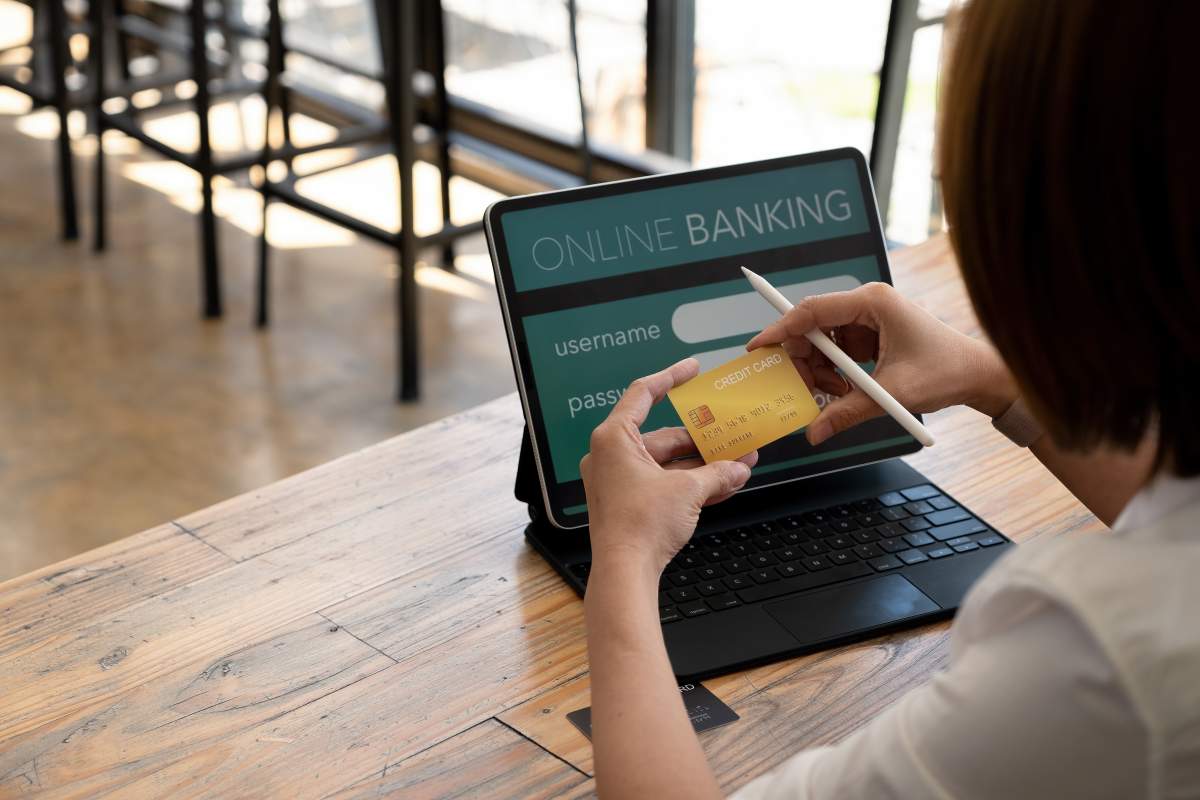
In contrast, digital banking encompasses online and mobile banking, allowing users to manage their bank accounts remotely. From paying bills to transferring money, these services often offer greater convenience. Customers can log in to their bank website or use a mobile app to conduct transactions from virtually anywhere.
Most online banks also provide features like two-factor authentication for enhanced security. According to CISA, a second verification step protects an account more than a password alone. Whether you're opening deposit accounts or using financial institutions to access loans, digital banking makes it easy to handle multiple accounts without stepping into a physical bank branch.
Online-only banks, on the other hand, lack physical locations but provide lower costs and competitive interest rates. These banks often reduce operational expenses, allowing them to pass on the savings to customers through lower fees.
Advantages of Digital Banking
Digital banking services provide strong convenience for individuals and businesses alike. You can transfer funds, check your balance, or open a savings account using a mobile device and an internet connection. This flexibility allows users to manage their finances on the go, whether they're at home or abroad.
Suisse Bank applies this model through its All-In-One Wallet, which includes client-owned, named Offshore IBANs/Accounts for sending and receiving funds in USD, EUR, GBP, AED and other major currencies through SWIFT, SEPA, SEPA Instant, CHAPS, FPS, ACH and FEDWIRE. The wallet also includes Crypto Payments, with dedicated crypto wallets to accept, store and convert digital assets such as USDT, USDC, ETH and BTC, and a Crypto Visa Card that lets you top up with crypto and spend in fiat, online or in store. Digital onboarding is designed to take under 30 minutes, with no specific residency, travel or local business registration required.
Businesses with trade needs can request Trade Finance instruments separately. Bank Guarantees, Standby Letters of Credit, Documentary Letters of Credit, and Proof of Funds are issued by Suisse Bank in MT760/MT710 / MT700 format and advised by top-tier AA+ rated banks. Trade Finance is a separate product from the account services above, and every request is subject to Suisse Bank's compliance review and eligibility criteria.
Challenges of Digital Banking
While online-only banks excel in convenience, they lack the personal touch offered by a physical bank branch. For complex services such as large loan applications or financial planning, the absence of in-person interactions can be a disadvantage. Additionally, relying solely on an internet connection to manage finances can pose risks if technical issues arise or the connection is unstable.
ATM fees can also be higher for online-only or direct banks, depending on their ATM networks. Customers who need to deposit cash or access funds may find limited options compared to brick-and-mortar banks. Furthermore, while most online banks offer robust security measures like two-factor authentication, they are not immune to cyber threats.
Choosing Between Physical Banking and Digital Banking
Choosing between physical and digital banking depends on your needs. If you value in-person services and relationship banking, a traditional bank branch may be the better option. Physical banks offer direct assistance for managing deposit accounts and loans, making them ideal for those who prefer face-to-face interactions.
For those who prioritize speed and convenience, online banking and mobile banking are better options. Banking online allows you to manage transactions anywhere, anytime.
What to Check Before You Choose a Bank
Whichever model you prefer, compare these four points before you open or move an account:
- License and regulator: Confirm who supervises the bank and which license it holds. Suisse Bank publishes its license information on its website.
- Total cost: Compare account fees, foreign exchange margins, transfer charges and ATM fees, not only the headline rate.
- Security controls: Look for multifactor authentication, login alerts and clear fraud reporting steps. US regulators' authentication guidance supports layered security and highlights the weaknesses of single-factor authentication.
- Support: Check support hours and channels, and whether you can reach a person when something goes wrong.
The Role of Traditional Banks in the Digital Age
Most traditional banks now offer internet banking and mobile apps, blending the benefits of physical branches with banking online. This hybrid model allows customers to access their accounts, transfer funds, and more, without visiting a branch.
Credit unions and many traditional banks also embrace digital platforms, giving customers the flexibility of mobile banking while keeping a brick-and-mortar presence.
Final Thoughts
When comparing physical banking vs digital banking, there is no one-size-fits-all answer. Assess your banking needs to choose the right model or use both for maximum flexibility.
Ready to see whether digital banking fits your business? Become a client with Suisse Bank today, or ask our team any question through our Contact Us page.
Frequently Asked Questions
Q1: What documents do I need to open a digital bank account?
Requirements vary by bank and jurisdiction, but most ask for a valid photo ID, proof of address and, for businesses, company documents and details of the ownership structure. Banks also ask about the source of funds to meet anti-money laundering rules. You can review the steps for Suisse Bank in its Setup Process section.
Q2: How can I tell if a banking website or app is fake?
Type the address yourself or use the link from the bank's official site, and download apps only from official app stores. Be cautious with messages that create urgency. A genuine bank will not ask for your full password or a one-time code by phone, email or chat. If in doubt, contact the bank through its published channels.
Q3: Is it safe to bank on public Wi-Fi?
It is best avoided, because public networks can be monitored or spoofed. Use your mobile data or a trusted private connection for banking, keep your device updated and make sure multifactor authentication is on. Always log out when you finish.
Q4: What costs should businesses expect on cross-border payments?
Typical costs include transfer fees, foreign exchange margins and, in some cases, charges from intermediary banks. Ask for a full fee schedule before you start. Suisse Bank lists its charges on the All-In-One Wallet Fees page.
Q5: Can non-residents open a digital bank account?
Many digital banks accept non-resident clients, but approval depends on the bank's policies and the compliance checks that apply to you, including your country and business sector. Check the Jurisdictions & Industries page for the jurisdictions and industries Suisse Bank can serve.